- Experience with grief
- Addiction support
- Relationship focus
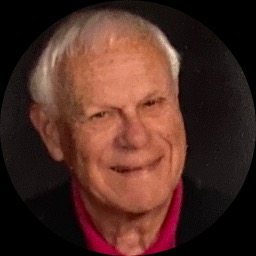
About Gabriel
Gabriel draws on practical methods to help people make changes they can use day to day. He listens for patterns that come from family of origin issues and helps clients notice how those patterns shape current choices. He supports people working through codependency, control issues, impulsivity, and process or substance addictions.
Clients often want straightforward ways to handle worry, rebuild trust, or face grief and end-of-life questions. Gabriel helps people set small goals, practice new skills, and try different ways of responding. He uses approaches that focus on relationships, thoughts and behaviors, motivation for change, and trauma recovery.
Over 32 years Gabriel has worked with people coping with cancer, divorce and separation, guilt and shame, and compassion fatigue. He emphasizes practical steps and steady progress rather than quick fixes. The work is collaborative and paced to each person's needs.
He is licensed in Virginia as an LCSW and holds LCSW-C in Maryland. Sessions are conducted in English and Gabriel is open to working with international clients; confirm current session options when booking.
Areas of expertise
Primary focus
Also works with
Additional focus areas
Therapeutic approaches
Experience
32+ years
Credentials
Virginia, Maryland
Languages
English
Approaches that translate to online work
Attachment-Based Therapy looks at how early bonds affect current relationships and feelings. It helps people notice attachment patterns and try different ways of connecting and responding in close relationships. Cognitive Behavioral Therapy, or CBT, focuses on how thoughts, feelings, and behaviors interact; it gives concrete tools to reduce anxiety, change unhelpful habits, and manage cravings or compulsive behaviors. Motivational Interviewing centers on a person’s own goals and strengths to build motivation for change and is often useful for substance or process addictions and ambivalence about treatment.Finding the right approach is part of the work. Gabriel will talk with each person about their needs, goals, and preferences and recommend approaches that fit. He adapts strategies to the pace a person wants and checks in to see what is helping as therapy progresses.
The biography does not list specific online session formats, so confirm current options before booking. Many people find remote sessions easier to fit into a busy day, to connect when travel is difficult, or to have a shorter check-in when they need ongoing support between in-person appointments. Online sessions can make it simpler to follow through on skills practice, attend regular meetings during treatment for addiction or grief, and keep therapy consistent while life is changing.
Frequently asked questions
What kinds of concerns does Gabriel address?
He works with stress, anxiety, addictions, relationship and family concerns, grief, eating and sleeping problems, compassion fatigue, and ADHD, plus related issues such as cancer impact, codependency, and control issues.
How would you describe his therapeutic style?
Gabriel uses practical, down-to-earth methods and focuses on steps clients can use right away. He helps people set goals, try new behaviors, and address patterns that come from family history.
What is his background and experience?
He has 32 years of clinical experience working with trauma, addictive behaviors, family of origin issues, and grief-related concerns.
What credentials and location are listed?
He holds LCSW in Virginia and LCSW-C in Maryland and practices from Virginia.
Which languages are supported?
Sessions are offered in English, and he is open to working with international clients.
What session formats are available?
The original biography does not list specific session formats; please confirm current session options before booking.
How is cost handled?
Cost varies with location and therapist availability, and sessions use a subscription that can be canceled at any time.
How do I begin working with him?
Select the Start Therapy button, complete a short matching questionnaire, and schedule sessions according to the therapist's availability.