- Grief and caregiver focus
- Practical steps forward
- Strengths based approach
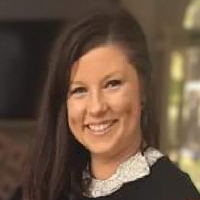
About Erin
Erin began her career in addiction services, and later worked with children and families in adoption and foster care settings. She has experience helping parents with behavior and parenting strategies. More recently she has practiced in hospice care, offering support to patients and caregivers during end-of-life journeys.
Her style is collaborative and practical. She asks clients what matters most and helps them set small, reachable goals. Erin uses Client-Centered Therapy to focus on each person's priorities and Solution-Focused Therapy to identify steps that move people forward.
Common concerns she addresses include grief, stress, anxiety, depression, caregiver strain, and issues related to aging, cancer, and family conflict. She also supports people coping with trauma, addiction history, intimacy issues, and workplace stress.
Sessions emphasize clear, doable strategies and checking in on progress. Erin encourages active participation and works alongside clients to strengthen coping skills. People who want a straightforward, compassionate clinician to help navigate loss and life change may find her approach helpful.
Areas of expertise
Primary focus
Also works with
Additional focus areas
Therapeutic approaches
Experience
14+ years
Credentials
North Carolina
Languages
English
Approaches that guide online counseling conversations
Client-Centered Therapy centers the conversation on the person's own goals and experience. The therapist listens without judgment, reflects what she hears, and helps clients define what feels most important to them. This approach can be useful for processing grief, caregiver stress, and major life changes.Solution-Focused Therapy looks for concrete, small steps that move a person toward their goals. Sessions focus on strengths, past successes, and practical strategies to try between meetings. This method is often helpful for stress, anxiety, workplace concerns, and short-term problem solving.
Finding the right approach is part of working together. The therapist will collaborate with each person to choose methods that match their needs, goals, and preferences. That may mean blending elements from different approaches and adjusting as progress is reviewed.
If you are considering online therapy, confirm the current session options before booking because formats were not specified in the biography. Many people find remote sessions make it easier to fit care into a busy life, shorten travel time, or allow brief check-ins during a workday. Others appreciate being able to continue care when caregiving or health needs limit leaving home. The therapist can discuss which arrangements best support your goals when you schedule.
Frequently asked questions
What concerns does Erin help with?
She works with grief, coping with life changes, caregiver issues, stress, anxiety, depression, addictions, relationship and family problems, and related concerns such as aging, cancer, and hospice needs.
How would you describe her therapeutic style?
Her style is collaborative and nonjudgmental. She focuses on clients' goals and uses practical steps to help people make progress.
What is her clinical background?
Erin has 14 years of social work experience, including work in addiction services, adoption and foster care, parenting support, and hospice care.
What credentials and location are listed?
She is a Licensed Clinical Social Worker (LCSW) licensed in North Carolina and practices in that state.
Which languages are supported for sessions?
Sessions are offered in English.
What session formats are available?
The original biography does not specify session formats, so confirm current session options before booking.
How are fees and billing handled?
Cost varies with location and therapist availability; sessions use a subscription that can be canceled at any time.
How do I begin working with her?
Click the Start Therapy button, complete a short matching questionnaire, and schedule according to therapist availability.