- Grief and loss support
- Anxiety and mood care
- Client-centered approach
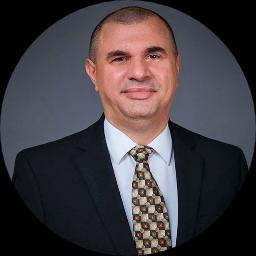
About Eric
He holds a master’s degree in psychology with a specialty in mental health counseling and a doctoral degree in industrial and organizational psychology. His training and years practicing in South Florida exposed him to many cultures, which shaped his approach to individual care. He emphasizes clear communication and practical steps that fit each person's life.
In session he combines client-centered methods with cognitive-behavioral and narrative techniques. He also uses elements of dialectical behavior therapy and solution-focused work when they match a person’s goals. The therapy plan is adjusted over time based on what helps most.
Eric aims to create a nonjudgmental space where people can name what’s hard and try different ways to cope. He describes therapy as a collaborative effort and invites people to bring their concerns, values, and goals to each session. His style blends listening with concrete tools for change.
People choose him for help with caregiving stress, aging concerns, attachment and abandonment issues, body image and sexual-subculture matters, family-of-origin problems, and coping after loss or trauma. He works in English and Romanian and practices in Florida.
Areas of expertise
Primary focus
Also works with
Additional focus areas
Therapeutic approaches
Experience
15+ years
Credentials
Florida
Languages
English, Romanian
How therapeutic approaches guide online care
Client-centered therapy focuses on listening and understanding a person's goals and values. It helps people who need a respectful, collaborative space to talk through hard choices and life changes.Cognitive-behavioral therapy, or CBT, is about spotting unhelpful thinking and testing new behaviors. It often helps with anxiety, depression, and stress by teaching clear tools to change thoughts and habits.
Dialectical behavior therapy, DBT, adds skills for managing strong emotions and improving relationships. It can be useful for people who want concrete strategies to cope with intense feelings and reduce conflict.
Finding the right approach is part of the work. The therapist will talk with each person about what feels most useful and then blend methods to match their needs, goals, and preferences. That process is collaborative and adjusted over time as progress is made.
Online therapy can make it easier to fit sessions into a busy life and maintain continuity after difficult events. It can reduce travel time, allow shorter check-ins when needed, and let people meet from different locations. The original profile does not list specific session formats, so confirm current options before booking. A conversation about goals and logistics helps decide how to meet regularly and what methods will best support recovery and coping.
Frequently asked questions
What kinds of problems does Eric address?
He works with stress, anxiety, depression, grief, addiction, and relationship or intimacy concerns. Additional focus areas include caregiver stress, aging issues, body image, attachment and abandonment concerns, and family of origin problems.
How would you describe his therapy style?
He uses a client-centered approach paired with cognitive-behavioral and narrative techniques. Sessions typically blend listening with practical skills and short-term goals.
What relevant experience does he bring?
He has 15 years of professional experience and has practiced in culturally diverse South Florida settings. His background includes work across a wide range of mental health concerns.
What are his credentials and location?
He is a Licensed Mental Health Counselor, LMHC, licensed in Florida and practices in Florida.
Which languages are supported in sessions?
Sessions are offered in English and Romanian. International clients are not currently accepted.
What session formats are available?
The original biography does not specify session formats. Please confirm current session options with the service before booking.
How is cost handled?
Cost varies with location and therapist availability; sessions use a subscription that can be canceled at any time.
How do I begin working with him?
Select the Start Therapy button, complete the short matching questionnaire, and schedule according to the therapist's availability.