- Grief and hospice support
- Mindfulness and CBT
- Pastoral counseling perspective
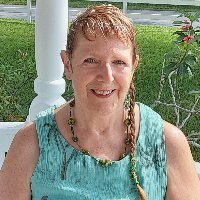
About Ellen
She draws on 18 years of experience and brings a pastoral perspective as an ordained interfaith minister. That background informs how she addresses spiritual questions when clients want to include them in sessions. Conversations may touch on thoughts, bodily responses, and beliefs to help people make sense of hard experiences.
Typical work focuses include trauma and abuse, caregiver fatigue, family of origin concerns, parenting strain, and mood conditions such as bipolar and depression. She also helps people with ADHD, attachment and abandonment issues, forgiveness, and fertility-related stress. Sessions explore concrete coping skills alongside emotional processing.
Her clinical approach is eclectic. She uses client-centered methods, cognitive behavioral ideas, mindfulness practices, solution-focused techniques, and somatic awareness to tailor care. That mix lets her match tools to a client’s needs rather than follow one rigid method.
People looking for help with end-of-life or hospice-related concerns can bring those questions to sessions as well. To begin, prospective clients complete a short matching questionnaire and schedule a time that fits their needs.
Areas of expertise
Also works with
Additional focus areas
Therapeutic approaches
Experience
18+ years
Credentials
Pennsylvania
Languages
English
How therapeutic approaches translate to online sessions
Client-Centered Therapy focuses on listening and helping people find their own solutions. In practice this means the therapist reflects what a person says, asks clarifying questions, and follows the client’s lead to set goals and pace. Cognitive Behavioral Therapy, or CBT, looks at the link between thoughts, feelings, and actions and introduces practical exercises to change unhelpful patterns; it can help with anxiety, depression, and stress. Mindfulness Therapy teaches simple attention skills to notice thoughts and body sensations without judgment, useful for managing worry, grief, and reactivity.Choosing the right approach is a team effort. The therapist will talk with each person about their needs, goals, and what feels comfortable. Together they decide which methods to try first and adjust the plan over time based on what helps.
If you are considering online work, confirm the session formats before booking since the profile does not list specific options. Online sessions can make it easier to fit therapy into a busy life by reducing travel time, allowing shorter check-ins when needed, and making scheduling more flexible across time zones for international clients. Licensed professionals can adapt CBT exercises, mindfulness practices, and client-centered conversation to a digital setting while focusing on practical tools you can use between sessions.
Frequently asked questions
What kinds of concerns does this therapist address?
She works with issues such as grief, anxiety, trauma, depression, stress, caregiver fatigue, ADHD, and relationship or family-of-origin concerns.
What is her general therapy style like?
Sessions are client-centered and practical, with listening, reflective dialogue, and a mix of tools like mindfulness, CBT, solution-focused strategies, and somatic awareness.
How much experience does she have?
She has 18 years of clinical experience and also serves as an ordained interfaith minister, which informs her pastoral perspective in sessions.
Where is this counselor based and what credential do they hold?
She practices in Pennsylvania and holds the LPC credential, listed as PA LPC.
Which languages are supported for sessions?
Sessions are offered in English and international clients are accepted.
What session formats are available?
The therapist’s original profile does not list specific session formats; please confirm current session options before booking.
How are costs and payments handled?
Cost varies with location and therapist availability; sessions use a subscription that can be canceled at any time.
How do I start working with this therapist?
Use the Start Therapy button, complete a short matching questionnaire, and then schedule according to the therapist’s availability.