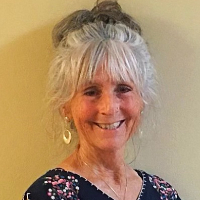
- 20 years experience
- LPCC in New Mexico
- Grief and trauma focus
About Elizabeth
Her background includes work in intensive psychiatric hospitals, correctional settings, substance treatment centers, and community counseling centers. Those roles shaped a straightforward approach focused on practical skills and steady progress. She listens first, then suggests steps that fit a person's day-to-day life.
When meeting someone new she treats sessions as a conversation. Clients set the pace and describe what matters to them. Elizabeth pays attention to strengths, worries, patterns, and goals to shape a plan that makes sense for each person.
She often helps people manage stress, anxiety, depression, grief, and substance use concerns. She also supports those facing major life changes, caregiving strain, and compassion fatigue. Her work includes attention to intimate and relationship concerns and difficulties with sleep, eating, or focus.
Her style draws on client-centered methods along with cognitive behavioral and dialectical behavior ideas and mindfulness practice. In session she helps people learn coping skills, reframe unhelpful thoughts, and try small behavior changes. The focus is on usable strategies that fit a person's routine and values.
Areas of expertise
Primary focus
Also works with
Additional focus areas
Therapeutic approaches
Experience
20+ years
Credentials
New Mexico
Languages
English
Therapeutic approaches and how they translate online
Client-centered work focuses on listening and responding to what matters most to the person. It helps when someone needs a therapist who follows their pace, reflects what they say, and helps them find options that fit their life. Cognitive Behavioral Therapy, or CBT, identifies unhelpful thought patterns and tests small behavior changes to reduce worry, improve mood, and build routines. Dialectical Behavior Therapy, or DBT, adds skills for managing strong emotions, tolerating distress, and improving relationships; it suits overwhelm, self-regulation struggles, and repeated crises.Choosing the right approach is part of the process. The therapist will talk with each person about problems, goals, and preferences. Together they decide which methods to try and adjust the plan as needed so the work feels useful and realistic.
Confirm current session options before booking to learn which formats are offered. Online work can make it easier to fit therapy into a busy day, reduce travel time, and allow for shorter check-ins when those help. It can also let people use mindfulness practices, skills coaching, and behavioral experiments between sessions in ways that match their routine.
Frequently asked questions
What concerns does she address?
She helps people with stress, anxiety, depression, substance use, grief, and trauma. Additional areas include parenting strain, ADHD, relationship and intimacy issues, sleep and eating problems, and coping with life changes.
How would you describe her therapy style?
Elizabeth uses a person-centered, conversational style that emphasizes practical tools. She listens for strengths and obstacles, then works with each person to set achievable steps.
What experience does she bring to sessions?
She has 20 years in mental health and has worked in psychiatric hospitals, correctional settings, substance treatment centers, and community counseling centers.
What credentials and location are listed?
She holds the LPCC credential and practices in New Mexico.
Which languages are supported?
Sessions are offered in English.
Are international clients accepted?
International clients are not currently accepted.
How does cost and billing work?
Cost varies with location and therapist availability; sessions use a subscription that can be canceled at any time.
What are the steps to get started?
Click the Start Therapy button, complete a short matching questionnaire, and schedule according to therapist availability.