- Person-centered care
- Mindfulness based
- Solution focused
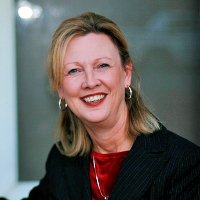
About Deborah
She uses a person-centered style that puts the clients goals first. Sessions focus on listening, building trust, and finding small steps forward. Deborah often brings in mindfulness practices to help with overwhelming feelings and sleep problems.
Deborah also uses solution-focused and existential techniques when they fit. That means she helps people identify realistic next steps and explores what gives life meaning. She asks straightforward questions like, "What difference do you want to see?" to shape work together.
Her experience includes group facilitation and training other professionals about behavioral health topics. Deborah has worked with adults around depression, grief and loss, trauma, dementia-related stress, and LGBTQ concerns. She prefers to work with people aged 20 or older.
Sessions can include phone and video work, and she uses messaging for brief in-between-session notes. She aims for a supportive, empathetic conversation style that encourages autonomy and practical change. People who want a steady, plainspoken counselor often find her approach accessible.
Areas of expertise
Also works with
Additional focus areas
Therapeutic approaches
Experience
15+ years
Credentials
Oklahoma
Languages
English
How her approaches translate to online care
Deborah commonly uses client-centered therapy, which centers conversations on the client's goals and experience and helps people feel heard and understood. This approach suits issues like grief, anxiety, and caregiver stress when someone needs steady support and clear listening.She also draws on existential therapy to look at meaning, values, and life choices. That work can help when coping with end-of-life questions, major life transitions, or feelings of emptiness by exploring what matters most to the person.
Finding the right approach is part of the process. She collaborates with each person to decide which methods fit their needs and goals. Clients and the therapist check in and adjust methods as therapy moves forward to keep work practical and aligned with what the client wants to change.
Her profile notes phone and video sessions, plus messaging for short between-session notes, but confirm the current session options before booking. Online work can make it easier to fit counseling into a busy day, offer a quieter conversation when travel is difficult, or allow shorter check-ins when time is limited. These practical benefits often help people keep therapy consistent while they work on stress, grief, or caregiving concerns.
Frequently asked questions
What kinds of problems does she help with?
She supports adults with grief, stress, anxiety, depression, trauma, caregiver strain, and aging-related concerns, among other issues listed in her specialties.
How would you describe her therapy style?
Her work is person-centered and collaborative, with a hopeful tone and practical focus on small steps and measurable change.
What experience does she bring to sessions?
She has 15 years of experience, has facilitated support groups, and has trained other professionals on behavioral health topics.
What credentials and region are listed?
She is a Licensed Professional Counselor, noted as OK LPC, and practices from Oklahoma.
Which languages and clients are supported?
Sessions are offered in English and she accepts international clients.
What session formats does she use?
Her biography indicates she uses phone and video sessions and messaging for brief notes between sessions; confirm current session options before booking.
How does cost and subscription work?
Cost varies with location and therapist arrangements; sessions use a subscription that can be canceled at any time.
How do I begin working with her?
Click the Start Therapy button, complete a short matching questionnaire, and schedule according to the therapist's availability.