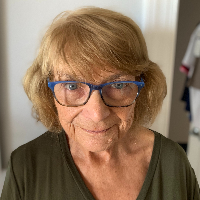
- Warm interactive style
- End-of-life and hospice focus
- 34 years experience
About Deborah
Her work has included time in military family centers, where she supported service members leaving the service and addressed relationship strain from separations. Deborah has also worked in foster care doing comprehensive assessments, and with people affected by emotional, physical, and sexual abuse. In recent years she has focused on a wide range of concerns including caregiving stress, aging issues, and end-of-life and hospice-related matters.
Deborah’s style is warm and interactive. She prefers a respectful, compassionate approach and avoids stigmatizing labels. Sessions are tailored to each person, with practical conversation and clear goals rather than abstract theory.
She blends client-centered work with cognitive behavioral ideas, mindfulness, motivational interviewing, and EMDR when appropriate. Deborah adapts techniques to fit what a person needs and what makes sense for their situation.
People come to her for help managing anxiety, depression, anger, grief, relationship challenges, parenting concerns, addiction issues, ADHD, and career stress. She aims to support and empower people as they take steps toward a more fulfilling life.
Areas of expertise
Primary focus
Also works with
Additional focus areas
Therapeutic approaches
Experience
34+ years
Credentials
Florida
Languages
English
How therapeutic approaches shape online care
Deborah uses client-centered work and cognitive behavioral therapy to guide online sessions. Client-centered work focuses on listening, empathy, and working at the client’s pace; it helps when someone needs a supportive space to talk through hard decisions or grieving. Cognitive behavioral therapy looks at thoughts, feelings, and behaviors and teaches practical strategies to reduce anxiety, manage mood, and change unhelpful patterns.She also incorporates EMDR for trauma when appropriate, which involves structured attention and guided processing to reduce the emotional impact of distressing memories. EMDR can help people who have intrusive memories, strong trauma responses, or lingering effects from abuse or accidents.
Finding the right approach is part of the process. The therapist will collaborate with each person to decide which methods match their goals, comfort level, and history. Sessions can change over time as needs shift and progress is made.
The practical benefits of online work include easier fitting of sessions into a busy week and fewer delays for routine check-ins. Confirm the current session options before booking since formats are not listed here. Online work can make it simpler to maintain regular appointments and to continue therapy during life transitions without needing extra travel.
Frequently asked questions
What kinds of concerns does she help with?
She works with stress, anxiety, trauma, grief, depression, relationship and parenting issues, addictions, caregiving strain, ADHD, and related concerns.
What is her approach in sessions?
Sessions are warm and interactive. She uses client-centered conversation, cognitive behavioral ideas, mindfulness, motivational interviewing, and EMDR as fits the person.
How much clinical experience does she have?
She has 34 years of counseling experience, including work with military family centers, foster care assessments, and clients affected by abuse and trauma.
What credentials and region are listed?
She is a Florida Licensed Mental Health Counselor - FL LMHC - and practices in Florida.
Which languages are supported?
Sessions are offered in English.
Are international clients accepted?
International clients are not currently accepted.
How does payment and cost work?
Cost varies with location and therapist availability; sessions use a subscription that can be canceled at any time.
What are the first steps to begin?
Click the Start Therapy button, complete a short matching questionnaire, and schedule sessions according to the therapist's availability.