- Client-centered approach
- Solution-focused techniques
- Experience with addictions
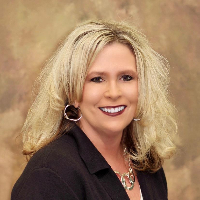
About DeAnna
Her style is client-centered and solution-focused. Sessions focus on practical steps the person can try between meetings. She often uses techniques from cognitive behavioral therapy to identify unhelpful thoughts and build new coping skills.
Dr. Brookhart’s background includes long experience in community mental health and private practice. That range means she is used to short-term problem solving and longer-term therapy. She draws on many perspectives to tailor care to each person’s needs.
She describes her approach as holistic, paying attention to mind, body, feelings, and social supports. In practice that can mean looking at daily routines, relationship patterns, and concrete stressors alongside emotions and beliefs.
Outside of clinical work she enjoys cooking, reading, family time, and travel. She invites people who are ready to make a change to begin the process of exploring what matters most to them and what practical next steps might help.
Areas of expertise
Primary focus
Also works with
Additional focus areas
Therapeutic approaches
Experience
27+ years
Credentials
Illinois
Languages
English
How her approaches guide online care
Dr. Brookhart commonly uses client-centered work and cognitive behavioral therapy in sessions. Client-centered work means the person’s concerns and goals shape each session, with the therapist listening, reflecting, and helping clarify priorities. Cognitive behavioral therapy focuses on identifying thoughts and patterns that make problems worse and trying practical exercises to shift them.Finding the right approach is part of the process. The therapist will talk with each person about their needs, goals, and preferences and together decide which methods to try. This is a collaborative plan that can be adjusted as progress is made.
If you are considering online therapy, confirm the specific session formats offered before booking. Many people find remote work helps fit therapy into a busy life by reducing travel time and making it easier to schedule shorter check-ins or longer sessions around work and caregiving. Online sessions can also allow focused work on coping skills, relapse prevention for addictions, grief processing, and communication practice without needing to change daily routines. Licensed professionals tailor pace and homework to what will work in each person’s day-to-day life.
Frequently asked questions
What concerns does she help with?
She works with a wide range of concerns including addictions, grief, depression, anxiety, relationship and intimacy issues, parenting challenges, caregiver stress, and coping with life changes.
What is her therapy style like?
The work is client-centered and solution-focused. Sessions focus on practical steps and use cognitive behavioral techniques when helpful to change unhelpful thoughts and behaviors.
How much clinical experience does she have?
She has more than 27 years of experience working in both community mental health and private practice settings.
What credential does she hold and where is she located?
She is an LCPC, which stands for Licensed Clinical Professional Counselor, and her practice is based in Illinois.
Which languages are supported for sessions?
Sessions are offered in English.
Does she work with clients outside the United States?
She is not accepting international clients at this time.
How are fees and payment handled?
Cost varies with location and therapist availability; sessions use a subscription model that can be canceled at any time.
How do I begin working with her?
Start by selecting the Start Therapy button, complete a short matching questionnaire, and then schedule based on the therapist's availability.