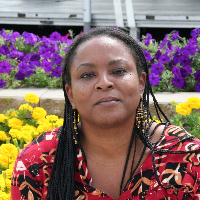
- 34 years experience
- PhD in social psychology
- Person-centered care
About Cynthia
She has worked in low-income communities and in university, senior citizen, and community counseling centers. She has also taught psychology at universities in Nebraska, Texas, and Missouri. For more than a decade she trained post-graduate students in practical psychology topics related to board exam preparation for medicine and dentistry.
Cynthia holds a Ph.D. in Social Psychology, a background that shaped her interest in social, ethnic, and political conflict across countries. She also practiced as a licensed massage therapist for over 30 years, and brings that broad life experience into her work. She values travel, cultural exchange, and artistic expression as ways to deepen understanding of people.
Her style blends several therapy approaches rather than sticking to one method. She uses client-centered conversations to follow the client's lead. She brings cognitive-behavioral tools when practical problem solving is needed. She may draw on existential or Jungian perspectives for questions about meaning and life purpose.
Cynthia emphasizes listening first and helping people find steps that fit their lives. She is comfortable addressing topics such as hospice and end-of-life concerns, blended family issues, communication problems, and multicultural matters. Sessions are conducted in English and organized to match the client's goals and schedule.
Areas of expertise
Primary focus
Also works with
Additional focus areas
Therapeutic approaches
Experience
34+ years
Credentials
Nebraska
Languages
English
How these approaches translate to online care
Client-Centered Therapy focuses on the client's experience and priorities. In practice this means the therapist listens carefully, reflects what she hears, and follows the client's lead to set goals. It helps when someone needs a supportive, empathetic space to talk through hard choices or grief.Cognitive Behavioral Therapy, or CBT, uses practical steps to change patterns of thinking and behavior. Sessions often include problem-solving, simple experiments, and skill practice that suit issues like anxiety, sleep problems, or mood disorders.
Dialectical Behavior Therapy, or DBT, emphasizes skill-building for emotional regulation and interpersonal effectiveness. It can be helpful for intense emotions, anger management, and improving communication in stressful situations.
Choosing the right approach is a collaborative process. The therapist will talk with the client about goals, try methods that fit the person's needs, and adjust over time based on what helps. Most people find it useful to try a few techniques before settling on a blend that works.
Session logistics should be confirmed before booking because the biography does not list specific formats. Ask which online or in-person options are offered and how sessions are scheduled. Online work can make it easier to fit therapy into a busy week, allow shorter check-ins when needed, and remove travel time so sessions fit around work or caregiving demands.
Frequently asked questions
What concerns does this therapist address?
Cynthia works with a wide range of issues including grief, hospice and end-of-life counseling, stress, anxiety, depression, addictions, trauma, relationship and intimacy concerns, and career or life-purpose questions.
How would you describe her therapy style?
She takes an eclectic, person-centered approach that follows the client's goals. She mixes conversational listening with practical tools when they help, and explores meaning when that matters to the client.
What is her professional background?
She has 34 years of counseling experience in community, university, and senior centers, and has taught psychology at universities in Nebraska, Texas, and Missouri.
What credentials and location information apply?
She is an LMHP licensed in Nebraska and is based in Nebraska.
Which languages are offered and can international clients join?
Sessions are offered in English. International clients are not currently accepted.
What session formats are available?
The original biography does not specify session formats, so confirm current session options before booking to know whether online, phone, or in-person visits are offered.
How does pricing and payment work?
Cost varies with location and therapist availability; sessions use a subscription model that can be canceled at any time.
How do I begin if I want to work together?
Click the Start Therapy button, complete a short matching questionnaire, and schedule according to the therapist's availability.