- Client-centered care
- Trauma and grief
- Hospice support
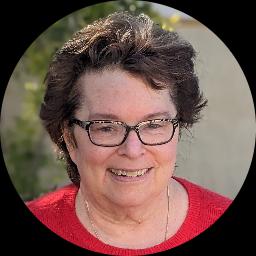
About Cynthia
She uses a compassionate, nonjudgmental style and centers sessions on each person's needs. Cynthia listens first, then helps clients identify practical steps they can try between meetings. She treats people as the experts on their own lives and builds on existing strengths.
Her work draws on several approaches, including Client-Centered Therapy, cognitive behavioral techniques, existential reflection, EMDR, and hypnotherapy. Those methods are used to address trauma, mood disorders, and life transitions and to support coping with loss and illness.
With two decades of experience, Cynthia brings long-term clinical work in community and counseling settings. She focuses on helping clients find clearer choices and more manageable daily routines when symptoms feel overwhelming.
To begin, prospective clients use the Start Therapy button and complete a short matching questionnaire. Scheduling is arranged according to therapist availability, and the site's subscription can be canceled at any time.
Areas of expertise
Primary focus
Also works with
Additional focus areas
Therapeutic approaches
Experience
20+ years
Credentials
Arizona
Languages
English
How Cynthia's approaches translate to online counseling
Cynthia often draws on Client-Centered Therapy and Cognitive Behavioral Therapy in her work. Client-Centered Therapy focuses on listening and reflecting back what matters to the client so people feel heard and can make clearer choices about next steps. Cognitive Behavioral Therapy looks at unhelpful thoughts and small behaviors that keep problems going and offers practical experiments to try between sessions.EMDR is also part of her toolkit for trauma-related concerns; it involves guided attention to difficult memories while noticing present-day responses, with the goal of reducing the intensity of those memories. These approaches can be mixed depending on the issue - for example, CBT for anxiety symptoms, EMDR for trauma, and client-centered listening to hold the work together.
Finding the right approach is a collaborative process. Cynthia will review your goals and preferences, talk through options, and adjust methods as needed so the work fits you. Many people find it helpful to try a blend of listening, practical exercises, and trauma-focused techniques as their needs evolve.
Session formats are not specified in the biography, so confirm current options before booking. Online work can make it easier to fit therapy into a busy week, reduce travel time, and allow shorter check-ins when a full hour is difficult to schedule. Talk with the therapist about what will fit your routine and the pace that feels manageable.
Frequently asked questions
What concerns does Cynthia address most often?
She works with stress, anxiety, trauma and abuse, grief, depression, and addictions, along with relationship and intimacy-related issues and compassion fatigue.
How would you describe her therapy style?
Cynthia uses a compassionate, nonjudgmental, client-centered approach and listens carefully before suggesting practical steps to try between sessions.
What is her clinical experience?
She has 20 years of professional experience working in counseling and community settings, helping people through trauma, loss, and life transitions.
Which credentials and location are listed?
She is a Licensed Professional Counselor, LPC, licensed in Arizona and practices from that state.
Can sessions be conducted in languages other than English?
Sessions are offered in English only.
Are international clients accepted for remote work?
International clients are not currently accepted for sessions.
How does payment and cost work?
Cost varies with location and therapist availability; sessions use a subscription model that can be canceled at any time.
What are the steps to start therapy?
Use the Start Therapy button, complete a short matching questionnaire, and schedule sessions according to the therapist's availability.