- Hospice and end-of-life
- Grief and loss
- Stress and anxiety
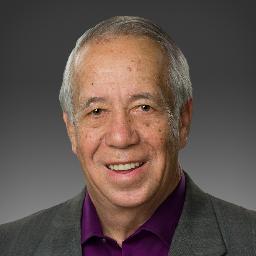
About Curtis
He has worked in hospital psychiatric units, pediatric clinics, and employee assistance programs, which exposed him to many kinds of problems and people. That background helped him learn to listen across cultures and life stages. He is licensed as an LMHC and an LPC and practices from Louisiana while also serving clients in other states and overseas.
In session he keeps things straightforward and nonjudgmental. He focuses on listening first, then helping people find practical steps that fit their lives. He mixes goal-oriented tools with time to talk through feelings and relationships.
His approach draws on several methods, including acceptance and commitment work, client-centered listening, cognitive tools, emotionally focused conversations, and solution-focused planning. These methods are used to address a range of concerns from trauma and addiction to parenting stress and career questions.
Curtis is comfortable working with issues such as aging and geriatric concerns, hospice and end-of-life counseling, autism spectrum matters, blended family challenges, and compassion fatigue. He says scheduling is flexible and he often makes extra hours available when needed.
Areas of expertise
Primary focus
Also works with
Additional focus areas
Therapeutic approaches
Experience
17+ years
Credentials
Louisiana, Oregon, Florida
Languages
English
Approaches that guide online counseling
Acceptance and Commitment Therapy focuses on noticing thoughts and choosing actions that match personal values. It can help with anxiety, depression, and coping with difficult life changes by teaching practical ways to stay connected to what matters. Cognitive Behavioral Therapy looks at thoughts and behaviors and uses simple exercises to reduce symptoms and change patterns that keep problems alive. It often helps with anxiety, sleeping problems, and mood concerns.Finding the right approach is part of the work. The therapist will listen to your goals and preferences and then recommend or combine methods that fit your needs. That decision is made together and can change as you progress.
The biography does not specify which online session formats are offered, so confirm options before booking. Online work can make it easier to fit sessions into a busy life, for example by avoiding travel, allowing shorter check-ins, or accommodating morning or evening appointments. It also makes it simpler to keep therapy going when relocation or travel would otherwise interrupt care. Licensed professionals can adapt exercises, homework, and emotionally focused conversations to remote settings so progress continues between meetings.
Frequently asked questions
What kinds of problems does Curtis help with?
He works with stress, anxiety, depression, grief, relationship and intimacy issues, addictions, trauma, parenting and career concerns among others.
How would you describe his therapy style?
He uses a calm, accepting, nonjudgmental style and balances listening with practical steps to help people move forward.
What is his professional background?
He has 17 years of experience, including work in hospital psychiatric units, a pediatric clinic, and employee assistance programs, plus time as an adjunct professor.
What credentials and region apply to his practice?
He holds LMHC and LPC credentials and practices from Louisiana, while also serving clients in Oregon, Florida, and overseas where licensing allows.
In which language are sessions offered?
Sessions are offered in English and he is able to work with international clients.
What session formats are available?
The original biography does not list specific session formats, so confirm current session options with the therapist before booking.
How are fees structured?
Cost varies by location and therapist scheduling; sessions use a subscription model that can be canceled at any time.
How do I begin working with him?
Click the Start Therapy button, complete a short matching questionnaire, and schedule based on the therapist's availability.