- Grief and loss
- Trauma and PTSD
- Caregiver stress
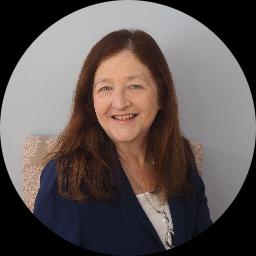
About Chrystine
Chrystine draws on six years of clinical experience in Connecticut and Massachusetts. She creates an open space where thoughts and feelings can be spoken without judgment. Sessions focus on practical ways to manage symptoms and get through difficult moments. That can mean learning new coping skills, changing unhelpful patterns, or making small goals that add up.
Her work includes supporting people through caregiving strain, chronic illness, cancer, and hospice or end-of-life counseling. She also helps with relationship communication problems, forgiveness, guilt, and life purpose questions. Chrystine uses approaches such as Client-Centered Therapy, Cognitive Behavioral Therapy, Emotionally-Focused Therapy, Solution-Focused Therapy, and Trauma-Focused Therapy to tailor care to each person.
She holds an MA LICSW and a CT LCSW and practices in Massachusetts. Sessions are intended to be collaborative, with the client guiding the pace and priorities. If someone needs help managing panic attacks, long-term losses, or the stress of medical conditions, Chrystine aims to offer clear tools and steady guidance.
To begin, a person typically completes a brief matching questionnaire and schedules sessions based on the therapist's availability. The goal is to make therapy manageable and connected to everyday life needs.
Areas of expertise
Primary focus
Additional focus areas
Therapeutic approaches
Experience
6+ years
Credentials
Connecticut, Massachusetts
Languages
English
How therapeutic approaches guide online work
Client-Centered Therapy focuses on the person's own goals and experience. The therapist listens closely and follows the client's lead to build trust and clarity. Cognitive Behavioral Therapy, or CBT, looks at how thoughts, feelings, and behaviors connect and teaches practical skills to reduce anxiety or depression. Emotionally-Focused Therapy helps people notice and name emotional patterns and practice new ways of responding in stressful moments.Finding the right approach is part of the process. Chrystine will work collaboratively to decide which methods fit best for each person's needs, goals, and comfort. Sessions can blend elements from different approaches so the plan fits what the client hopes to change.
Confirm the current session options before booking, as formats are not specified in the profile. Online therapy can make it easier to fit sessions into busy lives by removing travel time and allowing meetings during lunch breaks or between appointments. It can also allow shorter check-ins when needed or sessions that focus on skill practice rather than long assessments. Ask about session length and frequency when scheduling so sessions match your routine and goals.
Frequently asked questions
What kinds of problems does Chrystine help with?
She works with stress, anxiety, trauma and abuse, grief, anger, and depression. Additional focus areas include caregiver stress, chronic illness, cancer, hospice and end-of-life counseling, and related concerns.
How would you describe her therapy style?
Chrystine emphasizes an open, nonjudgmental atmosphere and practical skills. Sessions combine listening with goal-focused work to manage symptoms and improve daily coping.
What is her background and experience?
She has six years of professional therapeutic experience working in Connecticut and Massachusetts. Her work includes supporting people with medical illness and those connected to military and first responder communities.
What credentials and location are listed?
She holds an MA LICSW and a CT LCSW and practices in Massachusetts. Those are the credentials provided in her profile.
Which languages are supported for sessions?
Sessions are offered in English.
Can people outside the United States work with her?
International clients are not currently accepted.
How does payment and cost work?
Cost varies with location and therapist arrangements; sessions use a subscription that can be canceled at any time. Specific rates depend on the therapist's setup and the matching process.
What are the first steps to begin therapy?
Use the Start Therapy button, complete a short matching questionnaire, and then schedule sessions according to the therapist's availability.