- Grief and loss
- Anxiety and depression
- Chronic pain support
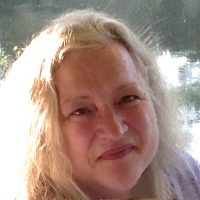
About Christine
She sees people as whole - physical, emotional, and spiritual aspects interact. Sessions move beyond talk alone and use hands-on techniques to tap into strengths clients already have. That may include imagery work and other guided methods to help shift stuck patterns.
Her background includes training in Eye Movement Desensitization and Reprocessing, behavioral nutrition, Thought Field Therapy, and Interactive Guided Imagery. Christine blends these influences with Client-Centered and Cognitive Behavioral approaches to tailor work to each person's needs. She helps people manage symptoms and build everyday coping skills.
Over her career she has worked with issues around relationships, self-esteem, sleep, eating, and caregiver stress. She also addresses attachment concerns, aging and geriatric issues, chronic illness, and recovery from domestic violence and other abuse. Christine aims to make sessions focused and useful, with tools people can use between meetings.
Her practice is located in Minnesota and she conducts therapy in English. The process begins by looking at immediate concerns, then shaping a practical plan that fits the client's life and goals.
Areas of expertise
Primary focus
Also works with
Additional focus areas
Therapeutic approaches
Experience
25+ years
Credentials
Minnesota
Languages
English
How therapeutic approaches shape online care
Client-Centered Therapy focuses on the person's experience and aims to create a supportive space where the client steers the conversation. It helps when someone needs listening that feels nonjudgmental and responsive. Cognitive Behavioral Therapy, or CBT, looks at unhelpful thoughts and behaviors and teaches concrete skills to manage anxiety, depression, sleep problems, and motivation challenges. EMDR uses bilateral stimulation while recalling distressing memories to reduce their emotional impact and is often used for trauma and painful memories.Finding the right approach is part of the work together. The therapist will talk with the client about goals, symptoms, and preferences and then suggest methods to try. That plan can shift over time as progress and needs become clearer, and decisions are made in collaboration.
Confirm current session options before booking so you know which formats are offered. Online therapy can make it easier to fit sessions into a busy life, for example by avoiding travel time or fitting a short check-in during a break. It can also allow use of tools like guided imagery or worksheet-based CBT between meetings to reinforce skills learned in sessions.
Frequently asked questions
What kinds of concerns does Christine address?
She helps adults with grief, anxiety, depression, chronic pain, trauma, low motivation, relationship strain, sleep or eating issues, and caregiver stress.
How would you describe her therapeutic style?
Sessions are practical and person-centered, combining talk with guided techniques to access existing strengths and build new coping tools.
What is her professional background?
Christine has 25 years of experience and integrates a range of methods including imagery work, EMDR, and behavioral nutrition into her practice.
Where is Christine based and what are her credentials?
She practices in Minnesota and holds the LPC credential, which stands for Licensed Professional Counselor.
In which languages can sessions be held?
Sessions are offered in English.
Can people outside the United States work with her?
She does not accept international clients at this time.
How does payment and cost work?
Cost varies by location and therapist availability; sessions use a subscription that can be canceled at any time.
What are the first steps to begin therapy?
Use the Start Therapy button, complete a short matching questionnaire, and schedule according to the therapist's availability.