- Client-centered care
- Grief and loss
- Practical skills
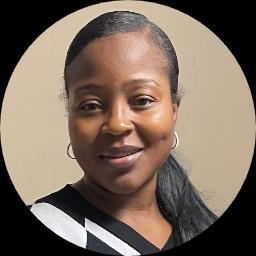
About Chrissy
Her work often centers on grief and end-of-life concerns in addition to depression, anxiety, and addictions. She also helps with relationship strain, caregiver stress, trauma and abuse, and complex issues like co-morbidity and chronic illness. Chrissy commonly addresses self-esteem, anger, body image, and coping with major life changes.
Sessions use a client-centered, interactive style. Chrissy draws on cognitive behavioral techniques, dialectical behavior ideas, mindfulness, and motivational interviewing to shape a plan that fits each person. Meetings involve straightforward dialog and a treatment plan adjusted to individual needs.
She respects that people know their own stories and builds on existing strengths. Asking for help is framed as a courageous step toward change. Chrissy aims to motivate and empower people as they work through challenges.
To begin, prospective clients complete a short matching questionnaire and schedule according to available times. The subscription for sessions can be canceled at any time, and cost varies with location and therapist availability.
Areas of expertise
Primary focus
Also works with
Additional focus areas
Therapeutic approaches
Experience
15+ years
Credentials
South Carolina
Languages
English
How these approaches translate to online work
Client-centered therapy focuses on listening and reflecting back what matters to you, so sessions begin by understanding your story and goals. Cognitive Behavioral Therapy (CBT) looks at how thoughts and behaviors link to mood and offers practical strategies to change patterns that cause distress. Dialectical Behavior Therapy (DBT) adds skills for managing intense emotions and improving communication in high-stress moments.Finding the right approach is part of the process. The therapist will work with the person to choose or blend methods based on needs, goals, and personal preference. That collaborative decision happens early and can be adjusted as progress is made.
Confirm the current online session options before booking, as specific formats are not listed here. Online work can make it easier to fit therapy into a busy life, reduce travel time, and allow shorter check-ins when needed. It can also let someone use mindfulness exercises, practice CBT worksheets together, or review DBT skills in real time during a session. Ask about available session styles when you start the matching process so you can plan what will work best for your schedule and goals.
Frequently asked questions
What concerns does Chrissy commonly help with?
She works with grief and end-of-life concerns and also supports people with depression, anxiety, addictions, trauma, relationship problems, caregiver stress, and related issues.
How would you describe her therapeutic style?
Her style is client-centered and interactive, using dialog and individualized plans. She incorporates cognitive behavioral, dialectical behavior, mindfulness, and motivational techniques as needed.
What kind of experience does she bring?
She has 15 years of combined experience as a professional counselor and registered nurse, working with a wide range of concerns and client situations.
What are her credentials and where is she located?
She is a Licensed Professional Counselor, LPC, licensed in South Carolina and practices from that state.
Which languages are supported for sessions?
Sessions are offered in English.
Are international clients accepted?
International clients are not currently accepted.
How much do sessions cost?
Cost varies with location and therapist availability, and sessions use a subscription that can be canceled at any time.
What are the first steps to start working together?
Use the Start Therapy button, complete a short matching questionnaire, and then schedule according to the therapist's availability.