- Grief and loss
- Trauma recovery
- Practical skills
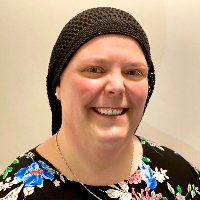
About Chana
Chana begins with a person-centered approach, listening first to understand each person's story and priorities. From that starting point she helps clients set realistic outcomes and builds a plan to reach them. She uses practical techniques drawn from cognitive-behavioral approaches and attachment-focused ideas to address thoughts, behaviors, and close relationships.
Her practice draws on 25 years in counseling, including early work with people who had serious mental illness and later focus on survivors of abuse and neglect. That background informs her experience with trauma, depression, anxiety disorders, chronic pain, and suicidal ideation while keeping the client's needs in view.
Sessions emphasize collaboration and real steps. Chana blends methods such as client-centered listening, cognitive-behavioral skills, dialectical behavior strategies, and existential questions when those fit the person's goals. She aims to create clear milestones so people can see progress.
People who choose her often want both emotional support and concrete tools for daily life. She guides conversations about relationships, grief, caregiving stress, identity and LGBTQ issues, and coping with medical or chronic conditions. The focus is practical help that fits each person's pace and priorities.
Areas of expertise
Primary focus
Also works with
Additional focus areas
Therapeutic approaches
Experience
25+ years
Credentials
Texas
Languages
English
How therapeutic approaches shape online care
Attachment-Based Therapy focuses on how close relationships shape emotions and behavior. It helps people who struggle with trust, abandonment fears, or repeated relationship patterns by exploring connection and safety in relationships.Client-Centered Therapy centers on listening without judgment and helping people find their own answers. This approach helps when someone needs space to sort feelings, clarify values, and set personal goals.
Cognitive Behavioral Therapy (CBT) looks at how thoughts affect feelings and actions. It offers concrete skills to change unhelpful thinking and build different habits for anxiety, depression, or coping with chronic problems.
Finding the right approach is a team effort. The therapist will work collaboratively to match methods to goals, needs, and comfort. Over the first sessions she will suggest practical tools and check in often to make sure the plan fits the person's life.
If you are considering online therapy, confirm the session formats available before booking. Online work can make it easier to fit sessions into a busy week, reduce travel time, and allow shorter check-ins when a quick support session is needed. Speak with the therapist during the matching process to learn which approaches and session arrangements will suit your situation.
Frequently asked questions
What kinds of concerns does she help with?
Chana helps with grief, trauma and abuse, anxiety, depression, addictions, relationship and intimacy issues, caregiver stress, chronic illness concerns, and many life transitions.
How would you describe her therapeutic style?
She starts with a person-centered style, listening carefully and following the client's lead. From there she adds practical techniques to address thoughts, behaviors, relationships, and meaning.
What is her background in counseling?
She has worked in counseling since 1994, including work with people who had severe mental illness and later focus on survivors of abuse and neglect.
What credentials and region should I know about?
She is a Licensed Professional Counselor (LPC) holding a Texas LPC and practices from Texas.
Does she work in other languages or with international clients?
Sessions are offered in English and she is not currently accepting international clients.
Which session formats are available?
The original biography does not list specific session formats; please confirm current session options before booking.
How is cost handled for sessions?
Cost varies with location and therapist availability; sessions use a subscription that can be canceled at any time.
What should I do to begin working together?
Click the Start Therapy button, complete a short matching questionnaire, and schedule according to therapist availability.