- Grief and loss
- Addiction support
- Anxiety and trauma
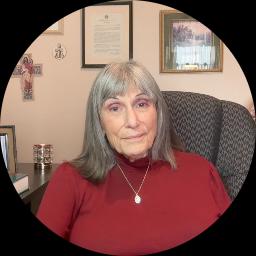
About Catherine
She works in a straightforward, person-focused way. Sessions usually begin by listening to what matters most to the client. Together they set small, concrete goals and try tools that can be used between sessions. The approach values the client's values and choices rather than one-size-fits-all answers.
Catherine draws on several therapeutic methods to match each person's needs. She uses cognitive-behavioral strategies to spot unhelpful thinking patterns and acceptance-based work to help people live with hard feelings while moving toward meaningful action. Emotion-focused ideas are used when relationship or intimacy concerns come up.
Her background includes long experience with addiction, trauma, military veteran issues, aging and geriatric concerns, and hospice and end-of-life counseling. That history shapes how she talks about coping, grief, and role changes over time.
Sessions are guided by practical skills and steady emotional support. Catherine aims to help people build manageable routines, manage intense feelings, and find clearer ways to communicate with others. Prospective clients can expect a warm, patient listener who leans toward collaborative problem solving.
Areas of expertise
Primary focus
Also works with
Additional focus areas
Therapeutic approaches
Experience
47+ years
Credentials
Missouri
Languages
English
Therapeutic approaches and online care
Acceptance and Commitment Therapy, or ACT, focuses on helping people accept difficult feelings while committing to actions that match their values. It can be helpful for grief, chronic anxiety, and making life changes when emotions feel overwhelming.Cognitive Behavioral Therapy, CBT, helps people notice and change unhelpful thinking and behavior patterns. It often includes practical exercises and homework to reduce anxiety, depression, and problematic coping like substance use.
Emotionally-Focused Therapy, EFT, concentrates on understanding and reshaping emotional responses in close relationships. It can be useful when intimacy, communication, or attachment issues are part of the struggle.
Finding the right approach is part of the work. The therapist will collaborate with each person to choose methods that fit their goals, needs, and preferences. That choice can change over time as progress is made or new issues arise.
Online therapy can make it easier to fit sessions into a busy life, reduce travel time, and allow check-ins from different locations. Because the biography does not list specific session formats, confirm current options before booking. The focus is on practical access and matching timing and style to what the person needs rather than on a specific delivery method.
Frequently asked questions
What concerns does she address?
She supports people dealing with grief, trauma, addiction, anxiety, depression, relationship and parenting stresses, anger, and coping with life changes.
How would you describe her therapeutic style?
Her style is collaborative and practical. She listens first, then works with clients to set small goals and try skills they can use day to day.
What is her clinical background?
She has 47 years of clinical experience and long experience with addiction, trauma recovery, veteran issues, aging concerns, and hospice and end-of-life counseling.
What credentials and location are listed?
She is a Licensed Clinical Social Worker, LCSW, licensed in Missouri.
In which language can sessions be held?
Sessions are offered in English and international clients are accepted.
What session formats are available?
The original biography does not specify session formats; please confirm current session options with the therapist before booking.
How does pricing work?
Cost varies with location and therapist availability, and sessions use a subscription that can be canceled at any time.
How do I begin working together?
Select the Start Therapy button, complete a short matching questionnaire, and schedule according to the therapist's availability.