- Grief and bereavement
- Geriatric support
- Trauma informed
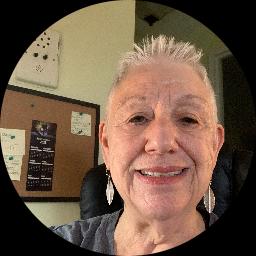
About Carol
Her approach blends several therapies so sessions focus on what matters most to each person. She uses clear, practical tools from cognitive behavioral therapy to address unhelpful thinking and behavior. Acceptance and Commitment Therapy helps people notice difficult feelings without getting stuck, while mindfulness practices build simple skills for steadying attention.
Carol draws on attachment-informed work to look at patterns that started in earlier relationships and affect how people relate now. Sessions are client-centered, so she listens first and tailors the plan to each person's needs and goals. Expect a calm, patient style that lets people move at their own pace.
She has long experience with medical and aging concerns, chronic illness, and caregiver stress. That background shapes how she supports people through end-of-life questions, cancer-related distress, and the practical and emotional sides of caregiving.
Carol typically helps people set manageable goals and try small changes between sessions. She encourages straightforward conversation about hopes, losses, and next steps. To begin, readers are invited to use the site's Start Therapy process to match and schedule a session.
Areas of expertise
Primary focus
Also works with
Additional focus areas
Therapeutic approaches
Experience
25+ years
Credentials
New York
Languages
English
How Carol’s approaches translate to online work
Carol often uses Acceptance and Commitment Therapy to help people notice painful thoughts and feelings and move toward valued actions. That approach can be useful for grief, chronic stress, and coping with illness because it focuses on values and small steps. Acceptance and Commitment Therapy helps people live with hard emotions while still pursuing what matters.She also uses Cognitive Behavioral Therapy, which breaks problems into thoughts, feelings, and actions and teaches concrete skills to change unhelpful patterns. CBT is helpful for anxiety, depression, and managing mood or behavior changes. Attachment-informed work explores relationship patterns that shape current struggles and can clarify how to build different ways of relating.
Finding the right approach is a collaborative process. The therapist will listen to your goals and try methods that fit your needs and preferences. She can adjust pace and techniques over time so the plan matches what’s helpful.
Confirm the therapist's current session options before booking. Online therapy can make it easier to fit sessions into a busy week, shorten travel time, and allow check-ins from different locations when needed. Some formats work better for brief check-ins while others suit deeper, longer conversations, so discuss what will work best when you schedule.
Frequently asked questions
What concerns does Carol often address?
She works with grief, depression, anxiety, stress, relationship and intimacy issues, parenting struggles, addictions, and many life changes.
What is her general therapy style?
Carol combines practical, skills-based work with reflective, attachment-informed conversation. Sessions focus on real problems and small, doable changes.
How much experience does she have?
She has 25 years of clinical experience working with adults, older adults, and people facing medical or caregiving challenges.
What credentials and location apply to her practice?
She holds an LCSW credential and practices from New York.
Which languages and international options are available?
Sessions are offered in English and she accepts international clients.
What session formats are offered?
Please confirm current session options before booking so you know which formats the therapist is using at the time.
How are fees handled?
Cost varies with location and therapist scheduling; sessions use a subscription that can be canceled at any time.
How do I begin working with her?
Use the Start Therapy button, complete the short matching questionnaire, and schedule based on the therapist's availability.