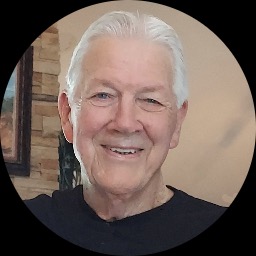
- Fifty years experience
- Focus on recovery
- Goal oriented
About Burton
He uses clear goal-setting and active client participation to shape each plan. Sessions often address depression, addictions, grief, trauma, relationship struggles, and issues around intimacy and self-esteem. Burt emphasizes renewing motivation and uncovering personal strengths that may have been overlooked.
Over a long career he has worked on projects related to recovery from alcohol and chemical dependency, including filmmaking and teaching related material. Those experiences inform his approach to helping people facing substance-related difficulties and the stigma that can come with recovery.
Burt describes therapy as a collaborative effort. He helps clients choose what to work on, set achievable steps, and track progress over time. He encourages early action and steady, practical change rather than vague promises.
Clients can expect plain language, a focus on recognizable next steps, and a steady emphasis on rebuilding confidence and everyday functioning. Burt brings life experience and a direct style to support people as they work toward clearer goals and better day-to-day coping.
Areas of expertise
Primary focus
Also works with
Additional focus areas
Therapeutic approaches
Experience
50+ years
Credentials
Utah, California
Languages
English
Approaches that guide online support and decision-making
Client-Centered Therapy focuses on meeting people where they are. The therapist listens closely, values the individual's perspective, and helps them set goals that feel meaningful. This approach suits concerns like low self-esteem, relationship struggles, and building motivation.Cognitive Behavioral Therapy, or CBT, looks at how thoughts and behaviors interact. It uses practical steps and exercises to shift unhelpful thinking and change everyday habits. CBT can help with anxiety, depression, anger, and many stress-related problems.
Finding the right approach is part of the work. The therapist and client decide together which methods to try based on needs, goals, and preferences. That collaborative process can include trying a few strategies and tracking what helps most over time.
Online therapy can make it easier to fit sessions into a busy life, such as keeping appointments while traveling, squeezing in a session during a lunch break, or reducing travel time. Because session formats are not specified here, confirm current options before booking to know how sessions are delivered. The practical aim is the same whether meeting in person or remotely - to use time effectively, set clear goals, and support steady progress toward better coping and recovery.
Frequently asked questions
What concerns does Burt commonly help with?
He works with stress, anxiety, depression, grief, anger, relationship and intimacy issues, trauma, and various addictions including process addictions.
How would you describe his therapeutic style?
He uses a collaborative, client-centered style that emphasizes goal setting and active participation from the person in therapy.
What kind of background does he bring to sessions?
He brings 50 years of professional experience and practical work in substance recovery projects, filmmaking, and teaching on related topics.
Where is he licensed and based?
He holds LCSW credentials in California and Utah and practices from Utah.
Which languages are supported?
Sessions are offered in English.
Can international clients work with him?
He is not currently accepting international clients.
How does pricing and payment work?
Cost varies by location and therapist availability, and sessions use a subscription that can be canceled at any time.
How do I begin working with him?
Select the Start Therapy button, complete a short matching questionnaire, and schedule according to the therapist's availability.