- Narrative focused
- Mindfulness tools
- Recovery informed
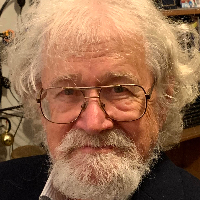
About Bruce
Barrett uses storytelling as a core way to work. He practices Narrative Therapy and draws on Jungian ideas for dream work and looking at life’s contradictions. He combines these with mindfulness techniques to help manage stress and with focused methods that help people notice body-based feelings and make clearer choices.
He has long experience in substance use work and has worked in inpatient and outpatient settings with a 12-step orientation. He also shares lived experience in recovery, which informs his perspective on addiction and relapse prevention. His background includes work as an associate psychologist and many years of counseling practice in New Hampshire and Massachusetts.
Barrett attends to the needs of people on the autism spectrum and those with military family backgrounds. He aims to meet people where they are and to build practical steps that fit each person’s life. Sessions focus on making sense of difficult experiences, finding meaning, and identifying small, usable changes.
Clients can expect direct conversation, guided reflection on stories and dreams, and simple mindfulness practices to try between meetings. Barrett works in English and German and practices in Massachusetts as an LMHC.
Areas of expertise
Primary focus
Also works with
Additional focus areas
Therapeutic approaches
Experience
40+ years
Credentials
Massachusetts
Languages
English, German
How his approaches translate to online work
Bruce Barrett draws on Narrative Therapy to help people tell and rethink the stories that shape their lives. This work often focuses on reframing difficult events, finding alternate storylines, and identifying practical steps that feel doable between sessions.He also uses Mindfulness Therapy to teach simple attention and breathing practices that reduce stress and increase present-moment awareness. These techniques can help with anxiety, grief, and coping during major life changes. In addition, he incorporates Jungian-influenced dream work to explore symbolic material and personal meaning, useful for people facing life transitions or end-of-life questions.
Finding the right approach is part of the process. He will talk with each person about goals, preferences, and what feels most helpful. Together they decide which methods to try and adjust the plan over time so it fits the person’s needs.
Session formats are not specified in the biography, so please confirm current options before booking. Many people find online therapy helps fit counseling into a busy week, allows shorter check-ins when needed, and reduces travel time. Online sessions can make it easier to carry practices learned in therapy into everyday life and to follow up on steps agreed during meetings.
Frequently asked questions
What concerns does Bruce Barrett address?
He helps people with stress, anxiety, addictions, trauma, depression, grief, self-esteem, anger, relationships, career issues, ADHD, and coping with life changes, including hospice and end-of-life counseling.
What is his therapeutic style like?
He takes a conversational and story-centered approach, using narrative methods, dream work, and mindfulness to help people make sense of their experience and try practical steps between sessions.
How much experience does he have?
He has 40 years of experience in counseling and related roles, including work in inpatient and outpatient substance use settings and many years practicing in Massachusetts and New Hampshire.
What credentials and location should I know about?
He holds an MA and is a Licensed Mental Health Counselor, LMHC, practicing in Massachusetts.
Which languages are offered for sessions?
Sessions are offered in English and German.
Does he work with international clients?
International clients are not currently accepted.
How are fees and payment handled?
Cost varies with location and therapist availability; sessions use a subscription that can be canceled at any time.
What are the first steps to begin?
Select the Start Therapy button, complete the short matching questionnaire, and schedule sessions according to therapist availability.