- Listening first
- Practical coping skills
- Focus on resilience
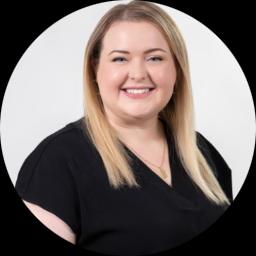
About Bethany
She draws on Client-Centered Therapy to listen deeply and shape sessions around each person's needs. Cognitive Behavioral Therapy (CBT) tools are used to name unhelpful thoughts and try small behavior changes. Dialectical Behavior Therapy (DBT) skills and solution-focused techniques are added when practical coping strategies are needed.
Sessions focus on building resilience and reducing distress. Bethany helps people develop concrete coping skills for daily life, from managing pain flare-ups to handling overwhelming grief. She also supports those navigating cancer, chronic illness, aging issues, and caregiver stress.
Over four years as a licensed clinical social worker, Bethany has worked alongside people through medical and emotional crises. She aims to make sessions feel like teamwork, where small steps add up over time.
People in New York can expect straightforward talk about goals and a plan that adapts as needs change. Sessions use a subscription model that can be canceled at any time, and scheduling begins after completing a short matching questionnaire.
Areas of expertise
Also works with
Additional focus areas
Therapeutic approaches
Experience
4+ years
Credentials
New York
Languages
English
How therapeutic approaches guide online sessions
Client-Centered Therapy centers the person in the room by prioritizing listening and understanding. The therapist reflects what is said and shapes the sessions around the client's needs, which helps when sorting through grief, caregiver strain, or adjustment to illness.Cognitive Behavioral Therapy (CBT) breaks problems into thoughts, feelings, and actions and tests small changes. It is useful for anxiety, depression, sleep problems, and managing day-to-day symptoms of chronic pain or illness.
Finding the right approach is part of the work. The therapist will discuss options and try techniques together to see what fits your goals and preferences. That collaborative process means plans can change as progress or new concerns emerge.
Confirm the current session options before booking so you know what formats are available. Online therapy can make it easier to fit care into a busy life - for example shorter check-ins during a work break or remote sessions when travel is difficult. Many people find it simpler to maintain continuity of care when appointments can be scheduled without extra commute time.
Frequently asked questions
What concerns does Bethany help with?
She supports people facing stress, anxiety, depression, grief, and coping with life changes, as well as issues like chronic pain, cancer, caregiver stress, addiction, and hospice and end-of-life counseling.
What is her therapeutic style like?
Her style is warm and practical with an emphasis on listening first. Sessions focus on goals, building coping skills, and small behavior changes tailored to each person.
What experience does she bring?
She has four years of experience working as a licensed clinical social worker with people facing medical and emotional challenges.
What are her credentials and location?
She is an LCSW licensed in New York and practices with a base in New York.
In which languages can I work with her?
Sessions are offered in English.
Can people outside the United States work with her?
She is not accepting international clients at this time.
How are sessions priced?
Cost varies with location and therapist availability; sessions use a subscription that can be canceled at any time.
How do I begin working with her?
Select the Start Therapy button, complete the short matching questionnaire, and schedule according to therapist availability.