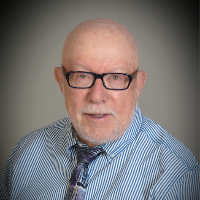
- 30 years experience
- Hospice and end-of-life counseling
- Addiction and grief
About James
He uses a mix of cognitive behavioral strategies, Acceptance and Commitment Therapy, motivational interviewing, client-centered techniques, and mindfulness. Those approaches guide short-term tools and longer work on values, motivation, and daily habits. He adapts sessions to the issue at hand rather than using a single fixed method.
His background includes extensive work with substance-related concerns and certified roles in addiction and anger management. He also has experience supporting people with depression, anxiety, bipolar symptoms, and compassion fatigue. Older adults and caregivers are additional areas he often addresses, including needs related to aging and cancer care.
Dr. Kowalski emphasizes respect, dignity, and straightforward conversation. Sessions focus on clear goals, direct skills practice, and steps people can try between meetings. He frames change as a personal choice and works to empower people to make sustainable shifts.
With three decades of clinical practice, he blends practical tools with empathic listening. Prospective clients are encouraged to begin with a short matching questionnaire and then schedule based on the therapist's availability.
Areas of expertise
Primary focus
Also works with
Additional focus areas
Therapeutic approaches
Experience
30+ years
Credentials
Georgia, North Carolina, Florida, West Virginia
Languages
English
Therapeutic approaches and how they work online
Acceptance and Commitment Therapy (ACT) helps people notice painful thoughts and feelings and choose actions that match their values. It can help with grief, anxiety, and finding direction during life changes. Cognitive Behavioral Therapy (CBT) focuses on clear skills to change unhelpful thinking and behavior patterns, which is often useful for depression, anxiety, and stress. Motivational Interviewing is a collaborative way to explore motivation and build commitment to change, frequently used for addiction and behavior change.Finding the right mix of approaches is part of the work. The therapist will talk with each person about their needs, goals, and preferences and then try methods likely to fit. This is a cooperative process that may use different techniques over time as progress and priorities change.
The biography does not list specific online session formats, so confirm current options before booking. In general, online therapy can make it easier to fit sessions into a busy life, reduce travel time, and allow for shorter check-ins when needed. It also lets people continue work through health or caregiving challenges and supports ongoing practice of skills between meetings.
Frequently asked questions
What kinds of concerns does this counselor help with?
He helps people with stress, anxiety, addictions, grief, anger, depression, relationship challenges, trauma and abuse, eating concerns, self-esteem, bipolar symptoms, and compassion fatigue. He also focuses on aging and geriatric issues, cancer, caregiver stress, and end-of-life concerns.
What is the therapist's general style in sessions?
His style is warm and interactive, combining client-centered listening with practical methods. Sessions typically include direct conversation, skills practice, and goal setting tailored to each person.
How much experience does the therapist have?
He has 30 years working in the helping professions, with long experience in substance-related concerns and geriatric work.
What credentials and location are listed?
He holds LCMHC and LMHC credentials and is located in West Virginia. His provided licences include NC LCMHC and FL LMHC as part of his documented background.
Are sessions offered in other languages or internationally?
Sessions are offered in English. International clients are not currently accepted.
Which session formats are available?
The original biography does not specify session formats. Please confirm current session options with the service before booking.
How is cost handled for sessions?
Cost varies with location and therapist availability. Sessions use a subscription that can be canceled at any time.
What are the first steps to begin working together?
Use the Start Therapy button, complete a short matching questionnaire, and then schedule according to the therapist's availability.